Tiffany Mueller | Content Strategist
Open to project based roles
Case Study
A content strategy case study focused on improving the student experience, lowering attrition rates, and guiding students throughout their practicum journey.
Significant reduction in practicum-related support requests.
Increased graduation rates among practicum students.
Higher student satisfaction based on feedback from academic advisors.
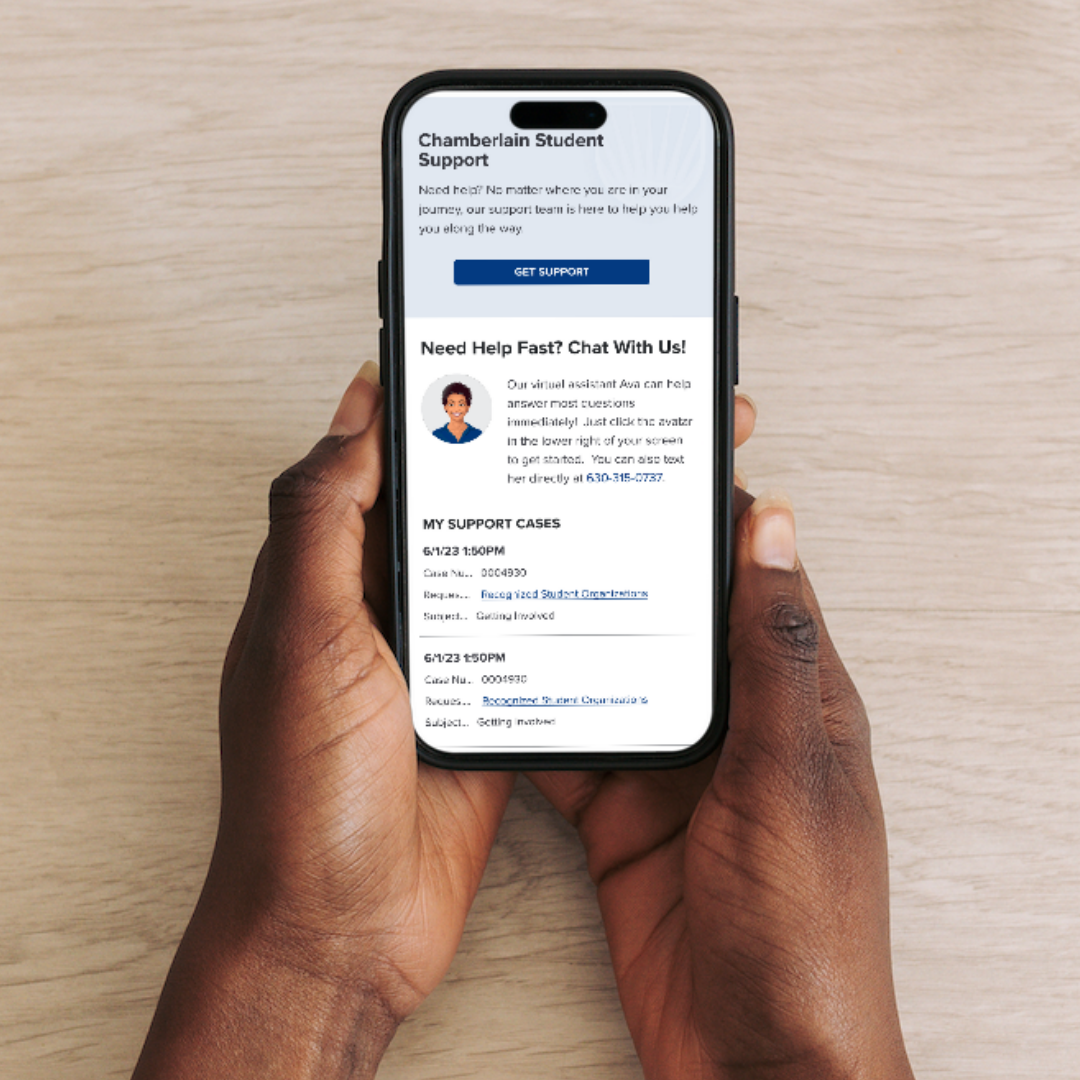
Chamberlain University offers degree programs in healthcare with a complex practicum component that students must complete in stages. High attrition rates during the practicum revealed friction in how students navigated requirements and tracked progress.
My goal was to develop a content strategy that would support and guide students throughout their practicum journey.
Target user
Healthcare students at all stages of their education.
Surfaces
Print, web, and mobile touchpoints.
My role
Content lead, UX writer, and content governance.

Students were dropping out or delaying graduation due to unclear expectations and fragmented communication during the practicum phase.
Existing handbooks were dense and inaccessible, and the student portal offered no clear support or content to guide them.
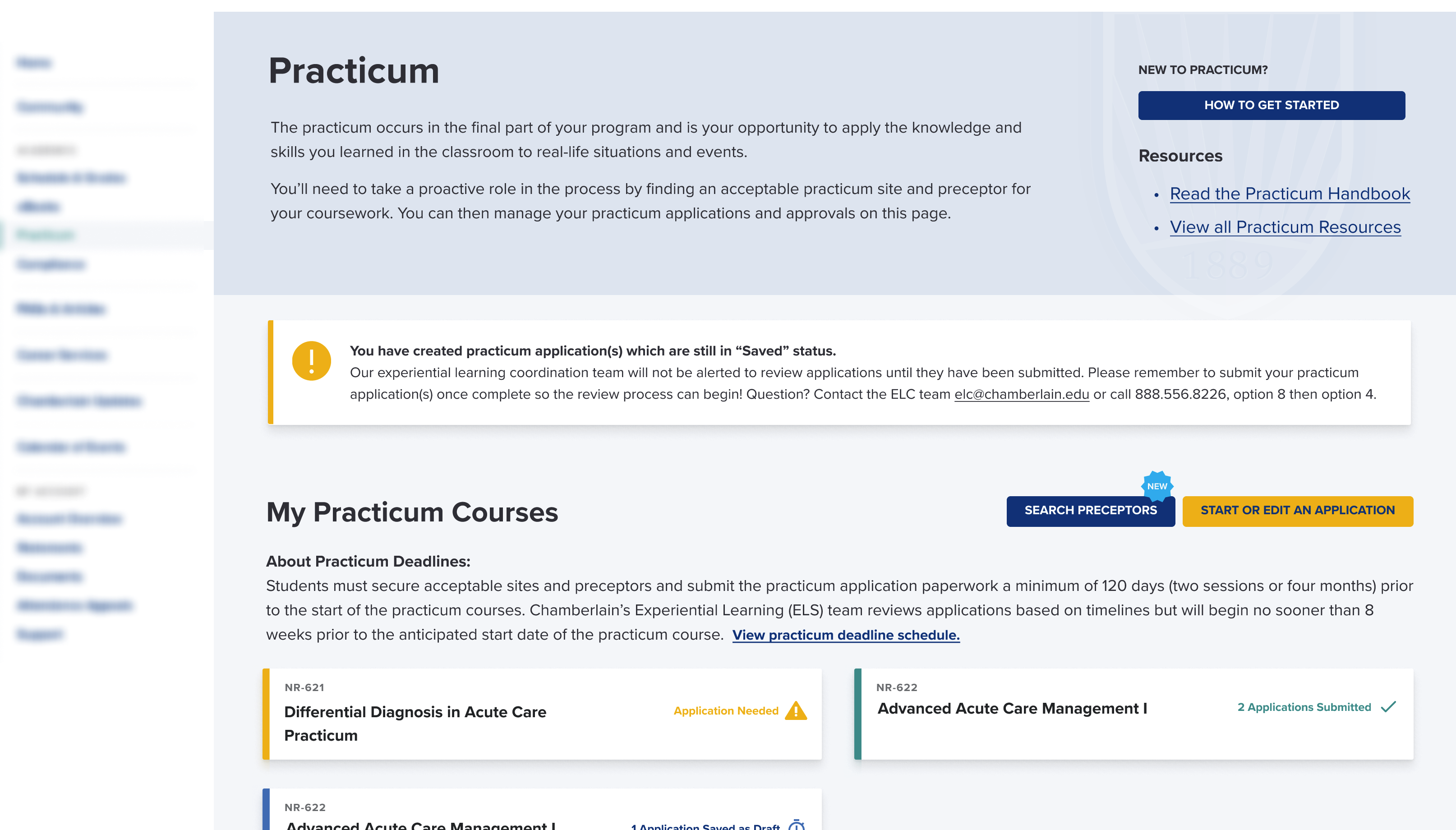
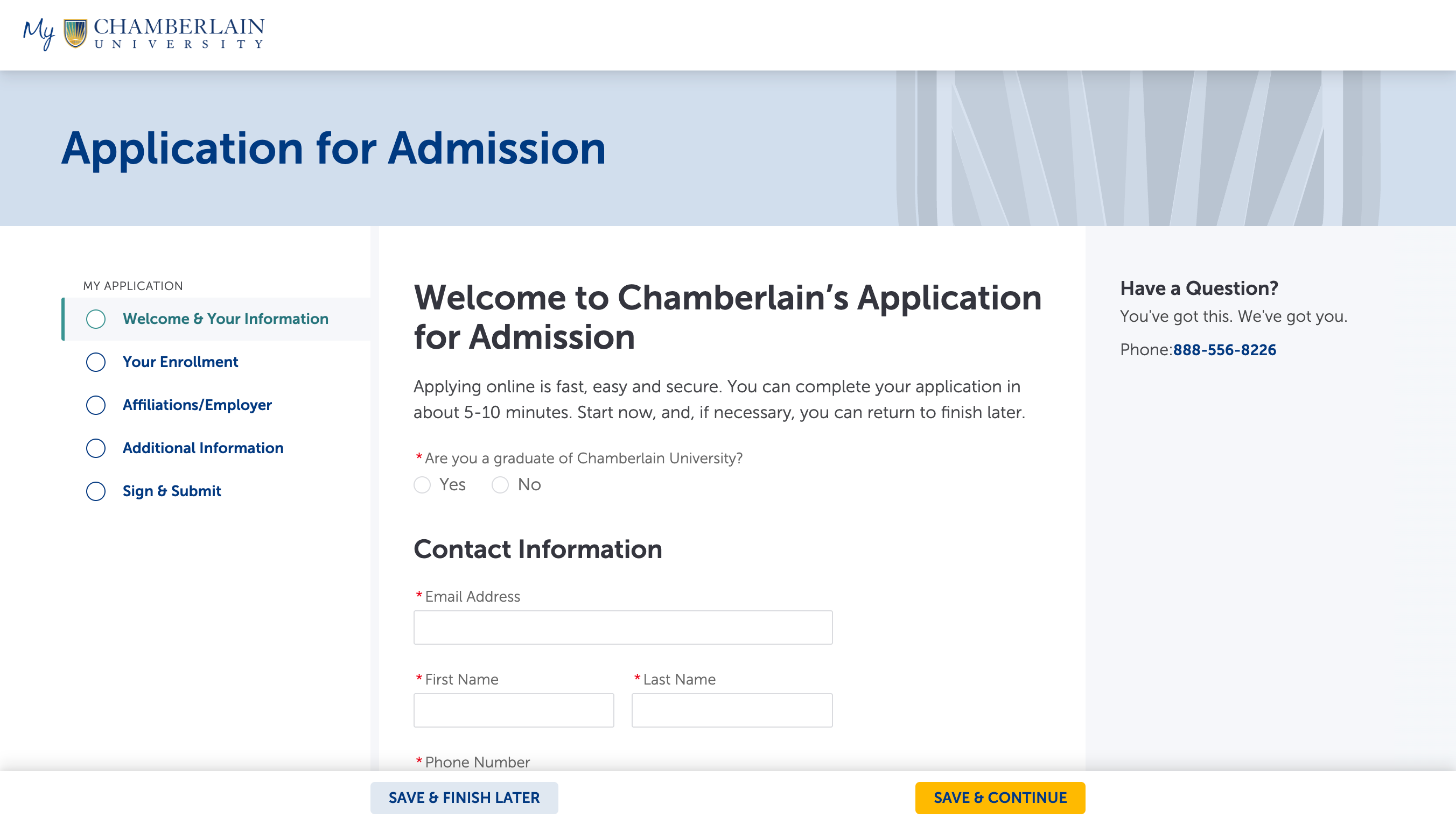
Our initial discovery phase revealed a highly fragmented journey that left students overwhelmed by competing academic and compliance requirements. By understanding the student perspective and anchoring our decisions in user-centric design principles, we successfully executed a cohesive strategy.
To achieve this, I led user research and stakeholder interviews to pinpoint key friction points and content gaps. Armed with those insights, I collaborated in Figma to design the content for a new dedicated practicum section within the student portal, which included creating a four-stage milestone model to help students clearly map their progress.
Beyond the student experience content design, I implemented key standardization and governance measures to ensure the experience remained consistent and scalable over time:

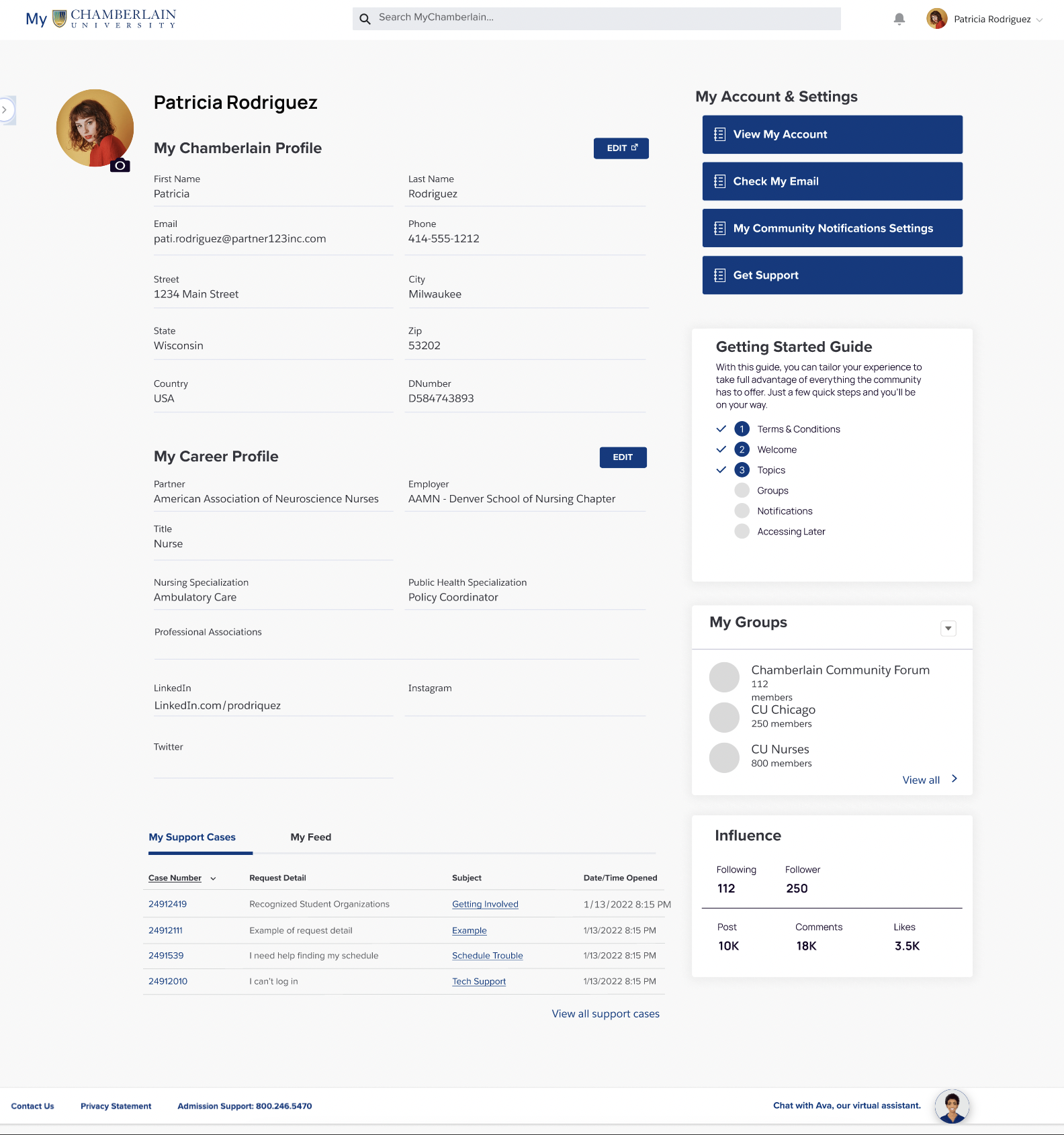
Significant reduction in support requests due to improved user experience.
Higher degree completion rates among practicum students.
Higher student satisfaction based on feedback from academic advisors.